Opptimum Home

Category

Strategy Governance

10 articles

Limbo Is Not a Status: A Governance Triage for Dormant UK Initiatives

Limbo Is Not a Status: A Governance Triage for Dormant UK Initiatives

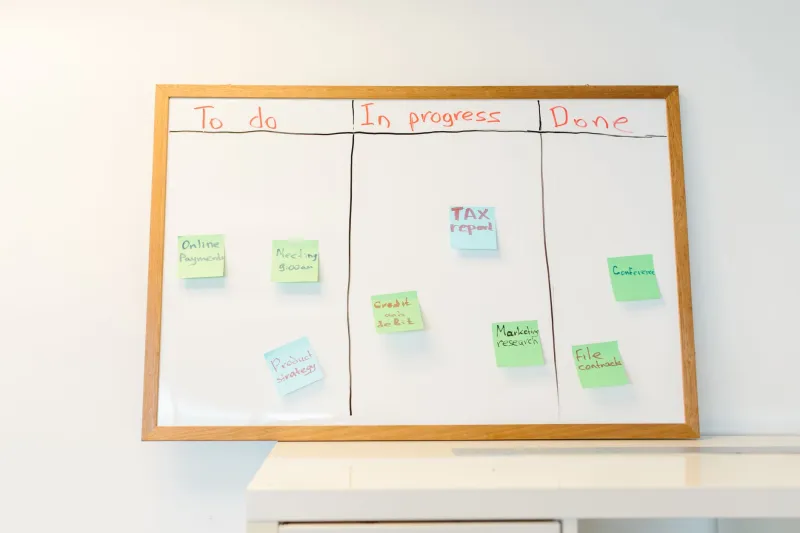
Most UK organisations can account for what they are delivering and what they have closed. Far fewer can explain the initiatives that sit in between: paused, parked and perpetually awaiting a restart that never arrives. This article sets out a practical governance triage for bringing that shadow portfolio back under control before the next planning cycle.


The Queue Before the Yes: Auditing Approval Layers for Cost and Control

The Queue Before the Yes: Auditing Approval Layers for Cost and Control

Approval layers are often added in the name of risk management, yet many become inherited ceremony that consumes management time and delays delivery. This audit offers a structured way to map sign-off chains, separate genuine controls from institutional habit, and weigh the cost of waiting against the risk actually mitigated in 2026.

Rolling Agreements, Standing Still: A Governance Review for 2026 Budgets

Rolling Agreements, Standing Still: A Governance Review for 2026 Budgets

Auto-renewing contracts often persist because ownership is unclear rather than because value is proven. This review sets out a governance-led approach to renewal decisions, so every rolling agreement is tested against cost, risk and operational need before the 2026 budget round.

Paying for Precision: Auditing the Quality Customers Cannot See

Paying for Precision: Auditing the Quality Customers Cannot See

Many UK operations carry inspection steps, approval layers and premium inputs that customers neither notice nor pay for. A value-based specification audit can separate necessary quality from inherited over-specification and remove the hidden tax without eroding genuine customer value.

Diary Debt: A 90-Minute Reckoning for Recurring Meetings

Diary Debt: A 90-Minute Reckoning for Recurring Meetings

Recurring meetings accumulate like organisational debt: quietly, repeatedly and at full payroll cost. This 90-minute audit gives UK teams a defensible way to price their diary commitments, triage what no longer earns its place and rebuild decision rights around the work that remains.

Slow Yes, Fast No: Diagnosing Decision Latency in UK Management Teams

Slow Yes, Fast No: Diagnosing Decision Latency in UK Management Teams

Many organisations that describe themselves as slow to change do not lack a strategy. They lack a reliable route from proposal to decision. This piece defines decision latency, shows how to measure it without buying new software, and sets out the changes to decision rights and meeting design that make the greatest difference.